How to Choose the Best Oil Pump Manufacturers for Industrial Applications
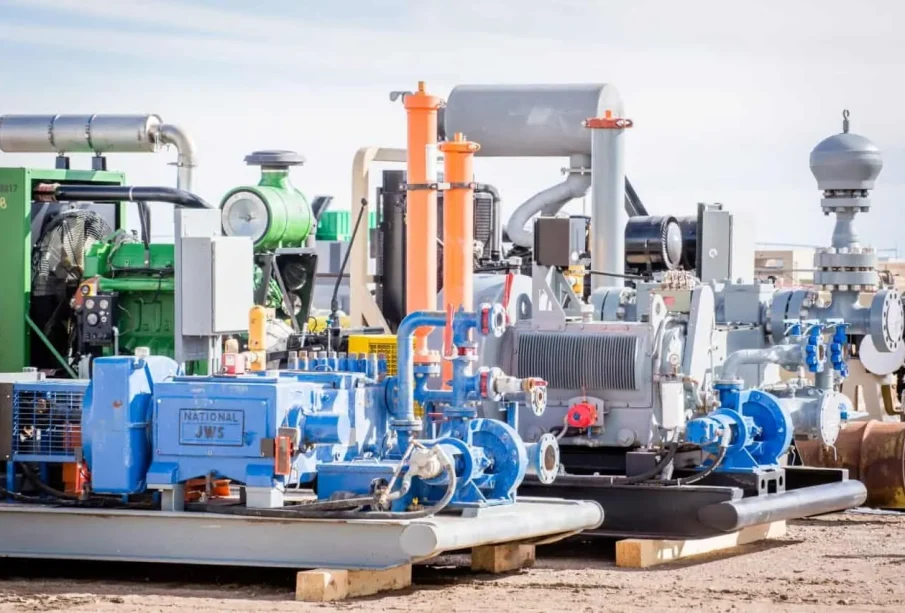
Selecting the right oil pump manufacturers is a decision that directly affects performance, reliability, and long term operational stability in any industrial environment. Whether a facility relies on heavy duty machinery, precision equipment, or automated production units, the oil pump is a crucial component that maintains lubrication, supports fluid movement, and prevents mechanical failures. Because different industries have different needs and technical standards, choosing a suitable manufacturer requires careful evaluation rather than relying on general market popularity.
This guide offers a complete breakdown of the essential factors to consider when selecting oil pump manufacturers for industrial use. It also highlights the importance of technology, service quality, material standards, and industry certifications while helping decision makers choose the best partner for long term success.
Understanding the Role of Oil Pumps in Industrial Operations
Oil pumps play a vital role in maintaining the smooth operation of machinery. From automotive plants to chemical processing units and from food production to power generation, oil pumps ensure that systems remain lubricated and free from friction damage. Among the many types available, the industrial gear pump is especially popular for handling thick fluids and delivering consistent flow in demanding environments.
Since these pumps operate continuously in harsh and high pressure conditions, the quality and performance of the pump depend heavily on the manufacturer that produces them. High quality pumps reduce downtime, prevent equipment wear, and help industries maintain productivity without frequent maintenance interruptions. This is why choosing the right manufacturers is not just a procurement decision but a long term investment.
Why Manufacturer Selection Matters More Than Ever
As industries modernize, reliability standards become increasingly strict. A poor quality pump can lead to multiple problems, including equipment breakdown, high energy consumption, safety risks, and increased operational costs. When pumps fail, entire production lines can halt, causing losses that far exceed the initial savings from choosing a low quality supplier.
Choosing reputable oil pump manufacturers ensures that the equipment is designed with high grade materials, tested for durability, and backed by reliable engineering standards. From design innovation to customer support, the differences between manufacturers can be significant. It is important to evaluate these differences early in the selection process.
Key Factors to Consider When Choosing Oil Pump Manufacturers
Evaluate Industry Experience and Specialization
One of the first things to look for is the manufacturer’s experience in producing pumps for specific industrial applications. Some companies specialize in automotive lubrication systems, while others focus on chemical processing or heavy machinery lubrication. When selecting the best manufacturing partner, choose one that understands your industry’s operational pressures and fluid requirements.
Experienced oil pump manufacturers also offer advanced solutions based on past challenges they have solved. This can include improvements in material strength, pump efficiency, sealing technology, and performance under extreme temperatures. A manufacturer with a deep understanding of industrial gear pump technology can deliver more dependable results.
Check Material Quality and Manufacturing Standards
The durability of an oil pump depends on the materials used in its construction. Pumps designed for industrial environments are exposed to corrosive fluids, high temperatures, vibration, and constant pressure. This means the manufacturer must use materials that resist wear, corrosion, and deformation.
Ask about the metals, coatings, and internal components used in the pump. High quality material choices show that the manufacturer prioritizes longevity and safety. Additionally, manufacturing standards should follow global quality benchmarks. A company with strict quality control processes is more likely to produce pumps that last longer and perform consistently.
Review Certifications and Compliance
Certifications reflect the manufacturer’s commitment to meeting industry regulations and safety requirements. These certifications ensure that the pumps comply with international testing standards and performance guidelines. Look for documentation that confirms compliance with industrial quality systems. This offers confidence that the pump has undergone rigorous assessments before reaching the market.
Analyze Technology, Innovation, and Engineering Capabilities
Modern industries demand pumps with advanced features such as improved sealing mechanisms, energy efficient motors, and enhanced flow control capabilities. A manufacturer with strong engineering capabilities can design pumps that maximize performance while minimizing maintenance needs.
Evaluating research and development efforts is also helpful. Companies that invest in innovation tend to develop better designs over time. This is particularly important when selecting an industrial gear pump because performance efficiency directly influences cost savings and operational output.
Compare Customization Options
Different industries have unique operating conditions. For example, chemical plants may require corrosion resistant pumps, while manufacturing units may need high pressure systems to maintain fluid distribution. Customization is a key advantage when selecting oil pump manufacturers.
Manufacturers that offer custom solutions can adjust pump size, capacity, flow rate, seal type, and material composition according to your specific needs. Customized pumps improve efficiency, safety, and overall operational performance. This flexibility often indicates a higher level of expertise and manufacturing capability.
Evaluate After-Sales Support and Technical Assistance
Strong manufacturers do more than supply pumps. They provide comprehensive support, technical documentation, installation guidance, and troubleshooting assistance. When selecting a partner, consider how easily you can reach their support team and how quickly they respond to issues.
Reliable after-sales service ensures that operational disruptions are minimized and that problems are resolved effectively. A manufacturer that provides training, inspection services, and maintenance guidance will help extend the life of your pumps and reduce downtime.
Consider Supply Chain Strength and Delivery Reliability
In industrial operations, delays in procurement can cause costly disruption. Therefore, it is essential to choose manufacturers with stable supply chains and dependable delivery timelines. Ask about production capacity, lead times, inventory availability, and shipping arrangements.
A strong supply chain also ensures that spare parts are always available when needed. This plays a significant role in maintaining long term productivity because even a minor part replacement can impact overall machinery efficiency.
Comparing Multiple Manufacturers for Better Decision Making
Before making a final choice, consider evaluating multiple manufacturers side by side. This allows you to compare their strengths, weaknesses, price structures, and product specifications. Prepare a checklist that includes factors such as material quality, customization ability, performance ratings, certifications, and customer feedback.
Engaging in direct communication with manufacturers can provide additional clarity. Request technical documents, performance data, and sample products if possible. Industrial buyers who take the time to analyze multiple suppliers usually end up making a more informed decision.
The Importance of Customer Reviews and Industry Reputation
Customer reviews provide real insights into the performance and reliability of a manufacturer’s pumps. Feedback from industrial clients reveals how the pumps perform under continuous pressure, how durable they are, and how responsive the company is to service requests.
In the case of industrial gear pump systems, user reviews can shed light on lifespan, operational efficiency, and maintenance frequency. Manufacturers with a strong reputation typically have consistent positive feedback and long term relationships with clients.
Attending trade shows, industry expos, and technical conferences can also help you gather valuable information about leading manufacturers. Networking with other industry professionals gives you access to practical recommendations and firsthand experiences.
Making the Final Selection
After evaluating all the necessary factors, narrow down your list based on overall quality, reliability, and industry compatibility. The best choice is not always the cheapest option, but the one that provides long term value, durability, and dependable customer support.
Once you select a manufacturer, establish clear communication, review installation guidelines, and discuss maintenance schedules. Proper implementation ensures that you get the maximum performance and lifespan from your pump system.
Choosing the best oil pump manufacturers requires careful research, technical evaluation, and long term thinking. Industrial operations rely heavily on the efficiency and durability of their lubrication systems, which makes the selection process even more critical. Understanding performance standards, material quality, certifications, and customization options helps you choose a manufacturer that can meet the unique demands of your facility.
Investing time into evaluating manufacturers ensures higher productivity, lower maintenance costs, and improved operational safety. Whether your industry requires a specialized industrial gear pump or a large scale lubrication system, selecting the right manufacturing partner is the first step toward building a dependable and efficient industrial environment.