What to Know Before You Buy Fan Trained Apricot Trees for a Sheltered Wall
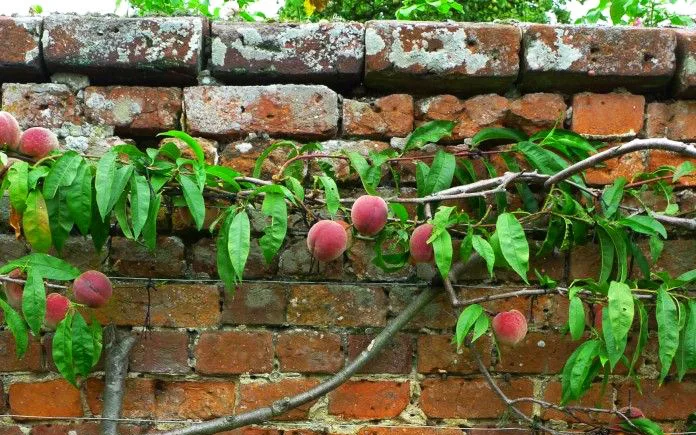
Apricots have a reputation for being ambitious in Britain, but the right setting can make them a realistic choice. They need warmth, shelter, careful pruning, and protection from the worst of spring weather. A fan-trained form against a suitable wall gives the tree a structure that uses heat and keeps growth accessible.
The decision should begin with the wall, not the fruit. Aspect, shelter, drainage, and access all influence whether the tree will thrive. A sunny wall can improve ripening and protect blossom, but it can also encourage early flowering, so the gardener needs to think about frost as carefully as warmth.
The fruit tree specialists at Fruit-Trees advise gardeners planning to buy fan trained apricot trees to assess wall position, support wires, and spring protection before planting. The fan form is productive and attractive, but it works best when the framework is easy to reach and the blossom can be protected during risky cold spells.
This guide explains the main points to consider for a sheltered British garden. It looks at siting, support, pruning, watering, and the patience needed to grow apricots well outside the warmest regions.
Apricots deserve a careful introduction because they can be rewarding but are less forgiving than some traditional British garden fruits. The article therefore treats the wall as a growing environment in its own right. Warmth, support, frost protection, pruning, and watering all work together, and weakness in any one of those areas can limit the crop.
Because the tree is trained against a wall, mistakes remain visible. Poorly placed supports, congested shoots, or neglected ties affect both appearance and cropping. That visibility can be an advantage if the gardener treats it as a prompt for regular care rather than as pressure to make the tree perfect immediately.
The reward is not only the occasional bowl of apricots. A well-trained tree can turn a plain wall into a seasonal feature, giving blossom, disciplined growth, and a sense of craft as well as fruit.
For many gardeners, that combination is the real appeal: a specialist fruit made possible by careful training, not by pretending the British climate is something it is not.
Start With the Right Wall
A fan-trained apricot depends heavily on its wall. A south-facing wall is often ideal because it offers warmth and light, while a west-facing wall may also work in favourable gardens. The wall should receive enough sun to ripen growth and fruit, but it should not be so exposed that blossom is constantly damaged by cold winds.
Shelter is as important as heat. Apricot blossom can open early, and cold winds can reduce pollinator activity or damage flowers. A wall that holds warmth but sits in a frost pocket may still be risky. The best position combines sun, air movement, and enough protection to soften sudden changes in weather.
Access is easy to overlook. A fan-trained tree needs pruning, tying, thinning, and picking across a broad framework. If the wall is behind a deep border or awkward steps, the work becomes difficult. A position that can be reached comfortably will be managed better, and good management is central to success.
The wall should also be considered as a heat store. Brick, stone, and rendered surfaces can behave differently, and pale walls may reflect light while darker walls may absorb warmth. Nearby paving can increase heat, but it can also make the root zone drier. These details matter because apricots respond strongly to microclimate. A gardener who understands the wall’s behaviour can water, protect, and prune more intelligently. The tree is not just planted beside the wall; it becomes part of a small managed climate.
The right wall should be watched through a full day if possible. Morning sun, afternoon heat, and evening shade all influence blossom, growth, and ripening.
Install Support Before the Tree Needs It
A fan form relies on a permanent support system. Horizontal wires fixed to the wall allow the main arms and laterals to be tied in as the tree develops. These should be strong, well-spaced, and installed before or at planting. Trying to add support after the tree has started growing is awkward and can damage branches.
The framework should allow air to move behind and around the tree. Branches pressed hard against masonry are more vulnerable to rubbing, poor drying, and pest issues. Soft ties should hold growth in place without cutting into bark. As the branches thicken, ties must be checked and adjusted.
A clear framework also makes pruning less intimidating. When the main arms are visible and evenly spaced, it is easier to see which shoots should be retained and which should be removed. The support system is therefore not just structural; it is a practical guide for long-term training.
Support wires should be positioned with future growth in mind. If they are too close together, tying becomes cramped; if they are too far apart, young shoots may not be guided well. The lowest wire should allow a clear trunk and easy maintenance around the base. Higher wires should cover the intended spread of the fan without requiring unsafe reaching. A strong support system makes the tree easier to train gently. It also prevents the rushed tying that can happen when fast summer shoots suddenly need direction.
Supports should be checked every year as the framework thickens. Ties that were safe in one season can become tight later, especially on vigorous summer growth.
Respect the Risk of Early Blossom
Apricots can flower early, sometimes before the garden feels fully awake. That early blossom is beautiful, but it is also vulnerable. A mild spell can bring buds forward, and a later frost can damage them overnight. Gardeners should be ready to protect blossom when cold nights are forecast.
Fleece or other temporary protection may be useful if it can be applied without crushing flowers or restricting the tree for long periods. The aim is to reduce frost damage while still allowing pollinators access during suitable weather. Protection should be practical, because a system that is too difficult to use will be ignored when it matters.
Pollination can also be affected by poor weather. Even self fertile apricots need insects and suitable conditions for good fruit set. In cold springs, hand pollination with a soft brush is sometimes used by careful gardeners, especially for trees close to the house. The smaller scale of a fan-trained tree makes that kind of attention more realistic.
Early blossom risk can be reduced by avoiding excessively sheltered heat traps where the tree wakes too soon. This may sound surprising, because apricots need warmth, but a wall that pushes blossom very early can expose flowers to later frost. The best site offers warmth with some balance, not an artificial spring in February. Gardeners should observe bud movement carefully in the first years. If blossom consistently opens during risky weather, protection routines become part of the annual care plan.
Spring protection is easier when materials are stored nearby. If fleece, clips, or canes are hard to find, the cold night may arrive before the tree is covered.
Give the Roots Steady Conditions
A warm wall can create dry soil, especially where foundations, eaves, or paving reduce rainfall reaching the root zone. An apricot may look sheltered above ground while its roots struggle below. Soil preparation should extend beyond a small hole, and watering should be directed where the roots can actually use it.
Drainage remains important. Apricots dislike sitting in cold, wet soil, particularly in winter. The ideal site is fertile, well-drained, and moisture-retentive without being stagnant. Organic matter can improve structure, but the planting area should not become a soft pocket surrounded by compacted ground.
Mulch can help keep moisture more even, provided it is kept away from the trunk. During dry spells, a deep watering is better than a quick splash on the surface. Consistent moisture supports fruit development and reduces stress, especially while the tree is establishing its framework.
Root conditions near walls are often uneven. One side of the planting area may be dry from the wall’s rain shadow, while another may receive runoff from paving or a downpipe. Before planting, it is worth checking how water moves after rain. Apricot roots need steady moisture but not stagnation. Improving the whole planting area, rather than only the immediate hole, helps the tree explore beyond the wall line. This gives it a better chance of coping with dry spells and carrying fruit.
A dry wall base can mislead gardeners after rain. The wider garden may look wet while the apricot root zone remains short of moisture.
Prune for Health, Light, and Renewal
Apricot pruning should be done with attention to timing and tree health. Stone fruits are generally pruned during the growing season rather than in winter, reducing the risk of disease entering cuts during cold, damp conditions. This timing can be unfamiliar to gardeners used to winter pruning apples and pears.
A fan-trained tree needs a balance of permanent framework and younger fruiting wood. The main arms provide structure, while selected laterals carry blossom and fruit. Crowded, damaged, or badly placed shoots should be removed, and new growth should be tied in where it improves the shape. The aim is an open fan with good light across the wall.
Pruning little and often is usually better than allowing the tree to become congested. Apricots need enough leaf to feed the fruit and ripen wood, so pruning should not be harsh for the sake of neatness. A healthy framework, good airflow, and renewal of productive shoots are more important than making the tree look perfectly symmetrical.
Pruning decisions should also preserve fruiting potential. Removing too much young wood can reduce the following year’s blossom, while leaving every shoot can make the fan crowded. The gardener needs to renew productive growth without losing the shape. This is where regular observation helps. A fan-trained apricot is not pruned by one annual rule alone; it is guided through the season. Shoots are selected, tied, shortened, or removed depending on their position and usefulness to the framework.
Pruning for renewal should be gentle but regular. The tree needs enough young growth to crop, yet enough openness to keep leaves and fruit healthy.
Grow for Several Seasons, Not One Summer
Apricots can reward careful gardeners with fruit that feels genuinely special, but they should be treated as a long-term project. The first seasons are about establishment, framework, and learning the wall’s microclimate. A light crop on a young tree may be more appropriate than pushing for abundance before the structure is strong.
The gardener should watch how the tree behaves through the year. Where does frost touch first? Does the wall dry the soil quickly? Which shoots ripen well by autumn? Does blossom open before pollinators are active? These observations help refine care in a way no general instruction can fully replace.
A sheltered wall can make apricots one of the most satisfying uses of vertical garden space. The tree brings blossom, trained structure, and the possibility of richly flavoured fruit from an area that might otherwise be plain masonry. Success comes from matching ambition with careful site choice and steady seasonal attention.
Several seasons of observation will show whether the wall is truly suitable. A tree may grow strongly but crop lightly if blossom is repeatedly caught by frost. Another may crop well but need more watering than expected because the wall keeps the root zone dry. These lessons are not failures; they are the information needed to refine care. Apricots in Britain reward gardeners who notice details. With the right wall and consistent attention, the tree can become both a handsome trained feature and a genuinely productive one.
Patience is part of the crop. A fan-trained apricot may need several seasons before the framework and the wall’s microclimate are working together properly.