A Leading London Implant Dentist Shares 6 Ways Implants Restore Oral Function
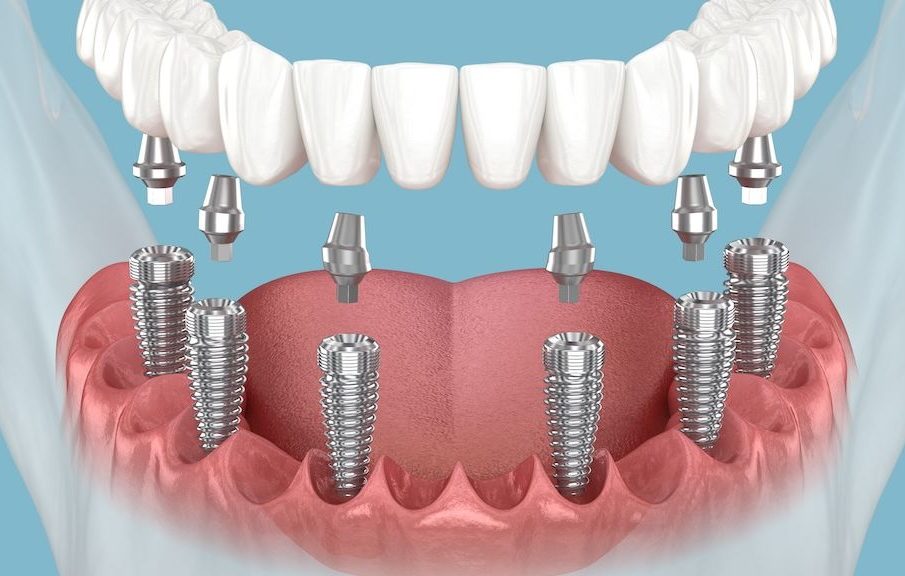
Missing teeth affect more than appearance. They change how people chew, speak, clean their teeth, and manage day-to-day comfort. Dental implants are often discussed as a cosmetic solution, but their main value is functional. They are designed to replace the root of a missing tooth and support a crown, bridge, or denture in a way that feels more stable than many alternatives. That stability can make routine eating and speaking easier, while also helping protect the structures around the gap.
A cosmetic dentist from MaryleboneSmileClinic advises that patients should think about treatment in terms of daily performance rather than appearance alone. In practice, the most successful cases are often those where people want to bite more confidently, keep neighbouring teeth settled, and reduce the awkward compromises that follow tooth loss. For patients researching dental implant London options, that practical view can be a useful starting point because it keeps attention on long-term oral function rather than short-term impressions.
Restoring Bite Strength and Chewing Efficiency
The first and most obvious way implants restore oral function is by improving bite strength and chewing efficiency. When a tooth is missing, the force of chewing has to be redistributed. Many people respond without realising it. They start favouring one side, cutting food into smaller pieces, or avoiding foods that are firmer, fibrous, or crusty. Over time, that can narrow food choices and make meals less comfortable. It may also place extra strain on the teeth and jaw muscles that are doing more of the work. An implant-supported restoration helps return chewing pressure to the area where the tooth used to be, which can rebalance the bite.
This matters because natural chewing is not only about force. It is also about timing and control. Teeth work as part of a system involving the jaw joints, muscles, tongue, and cheeks. If one part is missing, the system adapts, but not always efficiently. A well-placed implant can allow the mouth to function in a more even and predictable way. Patients often describe this as being able to “trust” one side of the mouth again. That trust changes behaviour. Instead of planning around a weak spot, people tend to chew more normally and with less hesitation.
There is also a nutritional angle that should not be overlooked. When chewing becomes difficult, patients often move towards softer, more processed foods because they are easier to manage. That may mean eating fewer raw vegetables, nuts, or meat that requires proper chewing. Restoring a functioning tooth can therefore support better food choices, especially in older adults who may already be managing changes in appetite or general health. An implant is not a guarantee of perfect chewing in every case, but compared with leaving a gap untreated, it gives the mouth a much stronger chance of working as intended.
Preventing Drift and Protecting the Rest of the Bite
A missing tooth rarely stays a local problem. Teeth are not fixed in isolation; they are held in a balance with the teeth beside and opposite them. Once a gap appears, neighbouring teeth can begin to drift or tilt into the empty space. The tooth in the opposing arch may also over-erupt because it no longer meets resistance in the same way. These movements can be slow, but they affect the bite over time. Food trapping becomes more likely, cleaning may become harder, and the risk of uneven wear can increase. Replacing the missing tooth with an implant helps preserve the spacing and alignment that the rest of the mouth depends on.
This is one reason implant treatment is often described as conservative, even though it involves surgery. A traditional bridge can be an excellent option in suitable cases, but it may require preparation of adjacent teeth. By contrast, an implant can often replace a missing tooth without relying on neighbouring teeth for support. Functionally, that independence matters. It means the replacement is handling its own share of the workload instead of borrowing support from teeth that might otherwise be healthy. In a busy city, where many adults delay care until a problem becomes disruptive, that longer-term protective effect is worth considering.
Protecting the bite also has a knock-on effect on comfort. When the teeth shift, the way the jaws meet can become less balanced. Some patients then notice clenching, tenderness, or difficulty finding a comfortable closing position. These symptoms have many causes, so implants are not a catch-all answer, but restoring a missing tooth can remove one important source of imbalance. In that sense, implants do not merely fill a visible gap. They help maintain the architecture of the bite, which supports more efficient function across the whole mouth rather than just one treated area.
Supporting Clearer Speech and More Natural Mouth Control
Speech is another area where tooth loss can have a surprisingly practical effect. Certain sounds depend on precise contact between the tongue, lips, and teeth. When a front tooth is missing, airflow changes and some consonants may become harder to pronounce cleanly. Even when the missing tooth is further back, people can still feel that the mouth is working differently. They may alter tongue position, speak more cautiously, or become overly aware of a removable denture shifting during conversation. These changes are sometimes subtle, but in work meetings, phone calls, restaurants, or social settings, subtle changes can matter a great deal.
An implant-supported tooth can restore a stable point of contact that helps normal speech patterns return. This tends to be particularly important in the front of the mouth, where the relationship between the tongue and the teeth directly affects articulation. Stability is the key issue. A removable appliance may replace the appearance of a tooth, but some patients never feel entirely confident speaking with it, especially if it has a slight movement or thickness that changes the way the tongue sits. An implant restoration is fixed in place, so it can feel more like part of the mouth and less like something being managed within it.
There is also a behavioural side to this improvement. People who feel uncertain about speech often compensate by speaking less, smiling less, or covering their mouth while talking. That response is understandable, but it affects social ease and self-confidence. Restoring function with an implant can reduce that self-monitoring. The benefit is not purely emotional; it is practical. Less mental effort is spent controlling speech or worrying about movement, which allows more normal communication. In central London professions where people spend much of the day talking, presenting, or meeting clients, that functional improvement can be as significant as any cosmetic change.
Preserving Jawbone and Maintaining Everyday Comfort
One of the most important functional benefits of implants happens below the gum line. Natural tooth roots help stimulate the jawbone through everyday biting forces. When a tooth is removed and not replaced, the bone in that area receives less stimulation and can begin to shrink. This does not happen overnight, but it is a recognised biological response. Over time, bone loss can affect gum contours, support for nearby teeth, and the fit of removable dentures. An implant placed in the jaw can help provide that missing stimulation, which is why it is often described as supporting bone preservation as well as tooth replacement.
Bone preservation matters for comfort as much as structure. When the ridges of the jaw change shape, appliances may become less stable and soft tissues may take more pressure during chewing. Patients with partial or full dentures often notice sore spots, looseness, or the need for repeated adjustments as the mouth changes. Implant support can reduce those problems by giving the restoration a firmer anchor. Even in single-tooth cases, maintaining bone volume can help keep the treated area more stable over the long term. That contributes to comfort not only when eating, but also when cleaning, speaking, and simply living with the restoration day to day.
This is also where expectations need to be realistic. An implant helps preserve bone, but it cannot fully recreate the exact biology of a natural tooth. Gum tissues still need careful maintenance, and some patients will need bone grafting before treatment is possible. Smoking, uncontrolled gum disease, and certain medical conditions can also affect the outlook. Even so, when cases are properly assessed and planned, implants offer a level of structural support that few other tooth replacement options can match. Their value lies not only in what the patient sees in the mirror, but in how well the underlying mouth continues to function over time.
Making Oral Hygiene More Manageable Over the Long Term
A good tooth replacement should be usable, but it should also be maintainable. This is where implants often compare favourably with gaps that have been left untreated or with restorations that make cleaning difficult. When a gap remains, food can collect in awkward spaces, and tilted teeth may create areas that are harder to brush and floss effectively. If the bite has shifted, some surfaces may also wear or trap plaque more easily. A properly shaped implant crown can help restore a cleaner, more accessible contour, making it easier for patients to look after the area as part of their normal routine.
That does not mean implants are maintenance-free. In fact, one of the biggest misconceptions in dentistry is that an implant is somehow immune to disease because it is not a natural tooth. The tissues around implants can still become inflamed, and poor home care can contribute to serious complications. Function is preserved best when patients are able and willing to clean around the restoration carefully every day and attend regular reviews. In that sense, a successful implant is a partnership between treatment planning, restorative design, and patient behaviour. The goal is not simply to place something fixed, but to create a replacement that works well and can be looked after consistently.
For many London patients, this practical manageability is one of the deciding factors. Work and family schedules often make complex routines difficult to sustain. Treatments that fit into ordinary brushing, interdental cleaning, and hygiene visits are usually easier to maintain than those that require constant adjustment or workarounds. A well-designed implant restoration should support that simplicity. It should not create plaque traps, awkward contours, or fragile habits. The functional success of implants is therefore closely tied to design quality. When the restoration is planned with maintenance in mind, patients are more likely to protect their investment and keep the surrounding tissues healthy.
Improving Daily Confidence Through Predictability and Stability
The sixth way implants restore oral function is through predictability. This may sound less clinical than bite force or bone preservation, but it matters just as much in real life. A stable tooth replacement changes how someone uses their mouth from morning to night. They can eat without second-guessing, speak without worrying about movement, and clean their teeth without working around a loose or uncomfortable appliance. That consistency is part of function. The mouth performs best when it does not require constant adjustment, caution, or avoidance. Implants often provide that steadier experience because they are fixed and integrated into the overall bite plan.
Predictability also supports better long-term decision-making. Patients who have a reliable restoration are often more motivated to keep up with reviews, hygiene care, and other treatment that protects their oral health. By contrast, people who feel that a temporary or unstable solution never quite works may postpone appointments and adapt around the problem instead. In that sense, implants can shift the pattern of care from reactive to preventative. They give patients a solution that feels worth maintaining. For anyone exploring options for a dental implant London practice, that broader practical outcome deserves as much attention as the technical details of the procedure itself.
None of this suggests that implants are right for every missing tooth or every patient. Some people are better served by bridges, dentures, or no treatment at all, depending on health, bone levels, budget, and preferences. What implants offer, at their best, is a way to restore the mouth’s working balance with a high degree of stability. That is why they remain such an important part of modern dentistry. Their strength is not just that they replace what is missing, but that they help the rest of the mouth work more normally again.