Importance of Inclusive Education in Diverse Classrooms
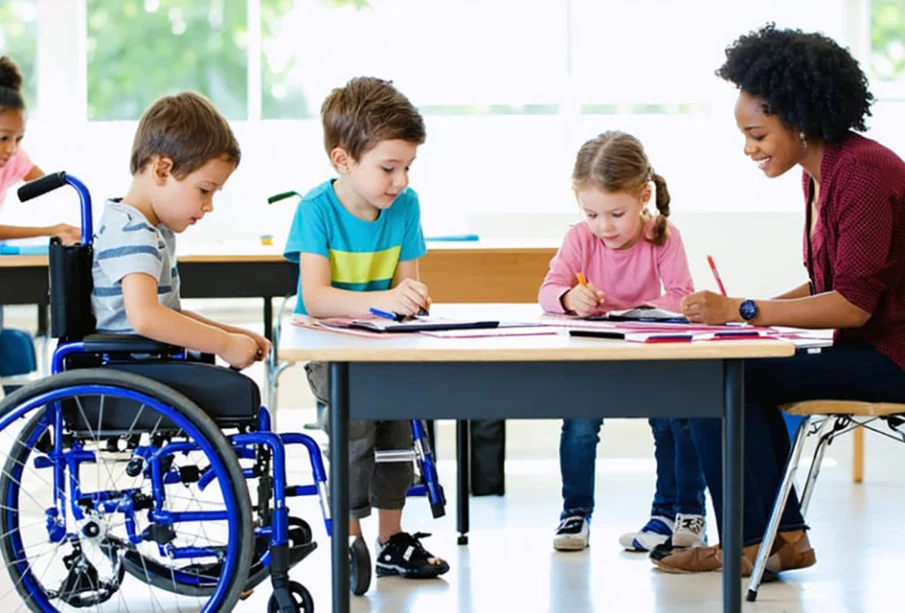
Inclusive education plays a central role in shaping equitable learning environments where students from different cultural, social, linguistic, and academic backgrounds learn together. In modern classrooms, diversity is not an exception but a defining characteristic. Schools increasingly serve learners with varying abilities, identities, experiences, and expectations. Inclusive education ensures that every student receives meaningful access to learning opportunities regardless of personal differences.
Rather than separating students based on ability, language, or background, inclusive classrooms encourage collaboration, respect, and shared growth. This approach strengthens academic outcomes, improves social relationships, and prepares learners for participation in a diverse society. As educational systems continue to evolve, inclusive education is becoming a foundational principle for effective teaching and learning.
Understanding Inclusive Education
Inclusive education refers to an educational approach in which all students learn together in the same classroom environment with appropriate support systems. It promotes equal participation and removes barriers that prevent learners from engaging fully in school activities.
Inclusive classrooms typically include students with:
- Different learning abilities
- Physical or developmental disabilities
- Cultural and linguistic differences
- Varied socioeconomic backgrounds
- Diverse learning preferences
- Distinct emotional and social needs
Teachers adapt instruction so that every student can participate meaningfully. Instead of expecting students to fit a fixed system, inclusive education adjusts the system to meet student needs.
This shift reflects a broader commitment to fairness, accessibility, and respect within educational communities.
Supporting Equal Learning Opportunities
One of the primary goals of inclusive education is to ensure equal access to learning experiences. Traditional classroom models often excluded students who required additional support. Inclusive classrooms remove these limitations by providing flexible teaching methods and individualized learning strategies.
Equal learning opportunities are supported through:
- Differentiated instruction
- Assistive learning technologies
- Flexible assessment methods
- Collaborative teaching approaches
- Peer learning partnerships
These strategies allow students with varying strengths to participate confidently in classroom activities. When learners feel supported, they are more likely to stay engaged and motivated.
Providing equal opportunities also helps reduce achievement gaps that may exist between different student groups.
Encouraging Social Development and Respect
Inclusive education strengthens social relationships among students by promoting understanding and cooperation. When learners interact with peers from diverse backgrounds, they develop empathy and communication skills that extend beyond the classroom.
Social benefits of inclusive classrooms include:
Improved peer relationships
Students learn to work together across differences, which encourages cooperation and trust.
Greater empathy and awareness
Exposure to diverse perspectives helps learners understand experiences different from their own.
Reduced prejudice and stereotypes
Regular interaction with diverse classmates challenges assumptions and promotes acceptance.
Stronger teamwork skills
Collaborative learning activities encourage students to share ideas and solve problems together.
These experiences prepare students for participation in diverse workplaces and communities later in life.
Enhancing Academic Outcomes for All Students
Inclusive education benefits not only students who need additional support but also those who follow traditional learning paths. Research consistently shows that classrooms emphasizing collaboration and flexibility improve learning outcomes across ability levels.
Academic advantages include:
- Increased engagement in learning activities
- Higher participation rates in classroom discussions
- Improved problem solving skills
- Greater confidence in expressing ideas
- Stronger motivation to complete assignments
Inclusive teaching strategies often involve varied instructional techniques that support multiple learning styles. This variety benefits all students by making lessons more interactive and accessible.
As a result, inclusive classrooms promote deeper understanding rather than simple memorization.
Supporting Students With Disabilities Effectively
Students with disabilities benefit significantly from inclusive education environments that provide appropriate accommodations while maintaining shared learning experiences with peers.
Support strategies may include:
- Assistive communication tools
- Modified learning materials
- Classroom accessibility adjustments
- Additional instructional support
- Personalized learning goals
Inclusive classrooms help students with disabilities develop independence and confidence. Learning alongside peers encourages social interaction and prevents isolation that may occur in separate educational settings.
Equally important, classmates gain valuable awareness and understanding of different abilities.
Promoting Cultural Awareness in Diverse Classrooms
Modern classrooms often include students from multiple cultural backgrounds. Inclusive education encourages teachers to recognize and celebrate these differences rather than overlook them.
Culturally responsive teaching practices include:
- Integrating diverse perspectives into lessons
- Encouraging multilingual expression
- Recognizing cultural traditions and experiences
- Using inclusive teaching materials
- Supporting identity development
These approaches help students feel respected and valued within the learning environment.
When students see their identities reflected in classroom experiences, they are more likely to participate actively and confidently.
Strengthening Teacher Effectiveness Through Inclusive Practices
Inclusive education encourages teachers to expand their instructional strategies and adopt flexible teaching approaches that respond to diverse learner needs.
Teachers benefit from inclusive classrooms through:
Improved instructional creativity
Educators explore multiple ways to present information effectively.
Stronger classroom management skills
Inclusive environments require thoughtful planning and organization.
Enhanced collaboration with support professionals
Teachers often work alongside specialists who provide additional expertise.
Better understanding of student learning differences
Exposure to diverse learners strengthens teaching adaptability.
These professional improvements contribute to stronger overall teaching quality.
Encouraging Family and Community Engagement
Inclusive education strengthens relationships between schools, families, and communities. Families play an important role in supporting student success, especially when schools encourage active participation.
Inclusive schools often:
- Communicate regularly with families
- Invite parents to participate in planning processes
- Provide multilingual support when needed
- Offer accessible learning resources at home
- Collaborate with community organizations
These partnerships create a supportive network that benefits students both inside and outside the classroom.
Strong collaboration also helps educators better understand student needs and strengths.
Preparing Students for Real World Diversity
Inclusive classrooms reflect the diversity students will encounter in higher education, workplaces, and society. Learning in mixed environments helps students develop skills necessary for cooperation and communication across differences.
Students gain experience in:
- Respectful dialogue
- Conflict resolution
- Collaborative problem solving
- Adaptability in group settings
- Appreciation for different perspectives
These skills are essential for success in modern professional environments.
Exposure to diversity during early education helps students become confident and socially responsible individuals.
Addressing Challenges in Implementing Inclusive Education
Although inclusive education offers many benefits, schools may face challenges when implementing inclusive practices effectively.
Common challenges include:
Limited access to training resources
Teachers may require additional professional development to support diverse learners.
Large classroom sizes
Managing multiple learning needs can be difficult without adequate support.
Insufficient specialized staff
Schools may need additional professionals such as counselors and learning specialists.
Infrastructure limitations
Some classrooms require physical modifications to support accessibility.
Addressing these challenges requires long term planning, policy support, and investment in teacher training and learning resources.
When schools commit to inclusive practices, they create environments where all students can succeed.
Role of Technology in Supporting Inclusive Classrooms
Technology plays an important role in making education more accessible and adaptable for diverse learners. Digital tools allow teachers to personalize instruction and support different learning styles effectively.
Examples of supportive technologies include:
- Screen reading software
- Speech to text tools
- Interactive learning platforms
- Visual learning applications
- Online collaboration tools
These technologies help remove learning barriers and increase participation across ability levels.
Technology also supports remote and hybrid learning environments that provide flexible access to education.
Building an Inclusive School Culture
Inclusive education is most effective when it becomes part of the overall school culture rather than a single classroom strategy. Schools that promote inclusion consistently create safer and more supportive learning environments.
Key elements of inclusive school culture include:
- Respect for individual differences
- Shared responsibility for student success
- Positive communication among staff and students
- Fair and transparent policies
- Ongoing professional development opportunities
When inclusion becomes a guiding principle across the entire school community, students experience stronger academic and emotional support.
Such environments promote long term educational success and personal growth.
Frequently Asked Questions
1. How does inclusive education influence student confidence
Inclusive classrooms encourage participation and belonging, which helps students feel valued and more willing to express their ideas openly.
2. What role do school leaders play in promoting inclusive education
School leaders support inclusion by providing teacher training opportunities, allocating resources effectively, and creating policies that promote equitable learning environments.
3. Can inclusive education benefit gifted students
Yes. Inclusive classrooms offer opportunities for collaborative learning and exposure to different perspectives that support advanced thinking skills.
4. How does inclusive education support language learners
Teachers use flexible instructional strategies such as visual aids, peer collaboration, and multilingual resources to help language learners participate successfully.
5. Is inclusive education suitable for all grade levels
Inclusive education can be implemented effectively from early childhood through higher education with appropriate planning and support systems.
6. How can schools measure the success of inclusive education programs
Schools evaluate success through student engagement levels, academic progress, participation rates, and feedback from families and educators.
7. What is the difference between inclusion and integration in education
Integration focuses on placing students into existing classroom systems, while inclusion adapts classroom environments to support the needs of all learners equally.