How Wearable Technology Improves Personal Health Monitoring
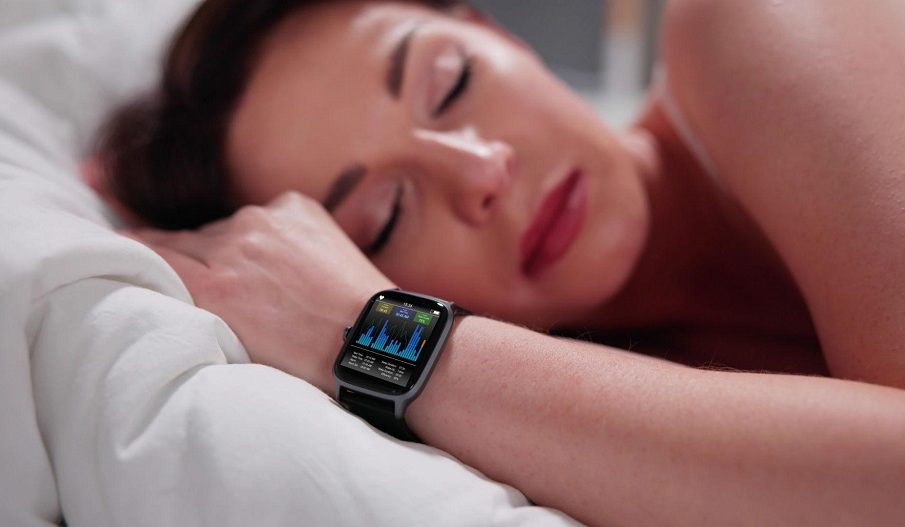
Wearable technology has transformed how individuals understand and manage their personal health. Devices such as smartwatches, fitness trackers, and health monitoring bands now provide continuous insights into physical activity, sleep patterns, heart function, and overall wellness. Instead of relying only on occasional medical checkups, people can monitor important health indicators daily and respond quickly to changes in their bodies.
As digital health tools become more advanced and accessible, wearable technology is playing a growing role in preventive care and lifestyle improvement. These devices support informed decision making, encourage healthier routines, and help users recognize early warning signs that may require attention. Personal health monitoring is no longer limited to medical environments. It has become part of everyday life.
Understanding how wearable technology supports health awareness helps individuals make better choices that contribute to long term well being.
Understanding Wearable Health Technology
Wearable health technology refers to electronic devices designed to collect and analyze physiological data while being worn on the body. These devices use sensors to monitor activity levels, heart rate, movement patterns, and other biological signals.
Common wearable devices include:
- Fitness tracking bands
- Smartwatches with health monitoring features
- Smart rings designed for sleep tracking
- Wearable heart rate monitors
- Posture monitoring devices
These tools collect data continuously and present it in easy to understand formats through mobile applications or dashboards. This allows users to observe trends and adjust habits based on measurable feedback.
Wearable devices help transform health monitoring from occasional observation into a continuous process.
Tracking Daily Physical Activity More Effectively
One of the most recognized benefits of wearable technology is its ability to monitor physical activity throughout the day. Many individuals underestimate how much movement they actually perform. Wearable devices provide accurate activity measurements that help users understand their habits more clearly.
Activity tracking features commonly include:
Step counting
Users can monitor daily walking levels and adjust routines to stay active.
Distance measurement
Devices estimate how far individuals travel during exercise or daily movement.
Calorie expenditure estimates
Wearables provide approximate energy usage data based on activity intensity.
Exercise duration tracking
Users can measure how long they remain active each day.
These features encourage consistent movement and support healthier lifestyle routines.
Regular activity tracking also helps individuals set realistic goals that improve physical fitness gradually.
Monitoring Heart Rate for Better Cardiovascular Awareness
Heart rate monitoring is one of the most valuable features available in modern wearable devices. Continuous heart rate tracking provides insight into how the body responds to physical activity, stress, and rest.
Heart monitoring benefits include:
- Identifying resting heart rate trends
- Tracking heart rate during workouts
- Recognizing unusual heart rate patterns
- Supporting safe exercise intensity levels
- Monitoring recovery after physical activity
Understanding heart rate changes helps individuals adjust exercise routines more safely and effectively.
Continuous monitoring also supports early awareness of potential irregularities that may require professional evaluation.
Supporting Better Sleep Quality Through Data Insights
Sleep plays a critical role in maintaining physical and mental health. Wearable technology helps users understand their sleep patterns by tracking movement and physiological signals during rest.
Sleep monitoring features typically include:
Sleep duration tracking
Devices measure how long individuals sleep each night.
Sleep stage analysis
Some wearables estimate light sleep, deep sleep, and restorative sleep periods.
Sleep consistency monitoring
Users can observe whether their sleep schedules remain stable over time.
Nighttime movement detection
Frequent movement may indicate disrupted sleep quality.
Understanding these patterns helps individuals adjust routines that support healthier rest.
Improved sleep awareness contributes to better energy levels and stronger cognitive performance during the day.
Encouraging Healthier Lifestyle Habits
Wearable technology helps users stay motivated by providing reminders and progress updates throughout the day. These small prompts support long term behavioral change by encouraging consistency.
Examples of lifestyle support features include:
- Movement reminders during long sitting periods
- Hydration tracking prompts
- Daily activity goal notifications
- Guided breathing sessions
- Exercise encouragement alerts
These reminders help users remain engaged with their health goals without requiring complex planning.
Consistent feedback increases accountability and strengthens positive habits over time.
Supporting Weight Management Goals
Wearable devices provide useful data that supports weight management strategies by helping individuals understand how activity levels influence energy balance.
Weight management support includes:
Tracking daily movement levels
Users can evaluate whether activity meets personal goals.
Monitoring calorie estimates
Approximate calorie usage helps guide nutritional planning.
Evaluating workout intensity
Wearables help determine whether exercise sessions are effective.
Encouraging routine consistency
Regular tracking supports long term progress monitoring.
These features provide structure that supports healthier decision making without relying solely on guesswork.
Clear activity feedback helps users remain focused on achievable improvements.
Helping Manage Stress Through Physiological Monitoring
Stress affects both mental and physical health. Many wearable devices now include stress tracking features that monitor indicators such as heart rate variability and breathing patterns.
Stress management benefits include:
- Awareness of elevated stress levels
- Guided breathing exercises
- Relaxation reminders
- Tracking recovery periods after stressful events
Recognizing stress patterns helps individuals take steps to maintain emotional balance.
Early awareness allows users to adjust routines before stress begins affecting physical well being.
Supporting Chronic Condition Monitoring
Wearable technology can assist individuals managing ongoing health conditions by providing consistent monitoring between medical visits.
Examples of support include:
- Tracking heart rhythm patterns
- Monitoring physical activity tolerance
- Observing sleep disruptions
- Recording recovery progress after illness
While wearable devices do not replace professional medical care, they provide valuable supplemental insights that support ongoing health management.
This continuous monitoring helps individuals stay informed about their condition status throughout daily life.
Improving Exercise Performance and Safety
Wearable devices provide real time performance feedback that helps users exercise more effectively and safely. Monitoring physical responses during activity helps individuals avoid overexertion and maintain appropriate intensity levels.
Performance related features include:
Workout tracking modes
Devices measure different exercise types such as walking, cycling, and strength training.
Heart rate zone guidance
Users can adjust effort levels based on cardiovascular response.
Recovery monitoring tools
Wearables help evaluate how the body responds after exercise sessions.
Progress tracking over time
Users can compare improvements across weeks or months.
These insights help individuals maintain consistent exercise routines that support long term fitness goals.
Increasing Awareness of Daily Health Patterns
Wearable technology helps users identify patterns that may otherwise go unnoticed. Small changes in movement, sleep, or heart activity can provide valuable information about overall wellness.
Pattern recognition benefits include:
- Identifying reduced activity trends
- Detecting irregular sleep schedules
- Observing changes in resting heart rate
- Recognizing stress related behavior patterns
Understanding these signals helps individuals adjust routines before health concerns develop further.
Awareness supports proactive health management rather than reactive treatment approaches.
Supporting Preventive Health Strategies
Preventive care focuses on maintaining wellness before serious health issues develop. Wearable technology contributes to preventive strategies by encouraging consistent monitoring and early awareness.
Preventive health benefits include:
- Encouraging regular movement habits
- Supporting sleep improvement efforts
- Monitoring cardiovascular responses
- Promoting hydration awareness
- Tracking recovery after illness or fatigue
Preventive monitoring strengthens long term wellness by helping individuals maintain balance across multiple health indicators.
Early adjustments often reduce the likelihood of more serious health challenges later.
Integrating Wearable Technology With Digital Health Platforms
Many wearable devices connect with mobile health applications that store long term wellness data. These platforms help users observe progress trends and share information with healthcare professionals when needed.
Digital integration advantages include:
- Long term activity tracking history
- Visual progress charts
- Health goal planning tools
- Secure data storage systems
- Communication support with healthcare providers
These features improve coordination between personal monitoring and professional medical guidance.
Digital platforms strengthen the value of wearable devices by organizing information in meaningful ways.
Future Developments in Wearable Health Monitoring
Wearable technology continues to evolve as sensors become more accurate and compact. Future devices are expected to monitor additional health indicators while remaining comfortable for everyday use.
Possible future improvements include:
- Expanded hydration monitoring capabilities
- Improved blood oxygen tracking accuracy
- Advanced posture correction guidance
- Enhanced early illness detection features
- Greater integration with remote healthcare systems
These developments will likely strengthen the role of wearable technology in supporting preventive health care strategies.
As innovation continues, wearable devices are expected to become even more valuable tools for maintaining personal wellness.
Frequently Asked Questions
1. Are wearable health devices suitable for older adults
Yes. Many wearable devices are designed with simple interfaces that support easy monitoring of activity levels, heart rate, and sleep patterns for older users.
2. Can wearable technology help improve motivation for exercise
Yes. Progress tracking features and daily reminders encourage users to remain consistent with physical activity routines.
3. Do wearable devices require internet access to function
Most wearable devices collect data independently, but internet connectivity helps synchronize information with mobile applications for detailed analysis.
4. How accurate are wearable health monitoring devices
Accuracy varies depending on device type and usage conditions, but many modern wearables provide reliable estimates suitable for general wellness monitoring.
5. Can wearable devices help track hydration levels directly
Some advanced devices are beginning to include hydration estimation features, although many still rely on reminder based tracking systems.
6. Is wearable health data useful during medical appointments
Yes. Activity and sleep records from wearable devices can provide helpful context when discussing lifestyle habits with healthcare professionals.
7. How often should wearable device data be reviewed
Reviewing health data regularly helps users identify trends and adjust routines, but frequency depends on personal goals and monitoring needs.