Building Flexibility Safely: Why Aerial Yoga Is Ideal for Stiff Bodies
Flexibility is often misunderstood. Many people in Singapore avoid joining yoga classes because they believe they’re not flexible enough—ironically, that’s the very reason they should start. For those struggling with tight hips, stiff hamstrings, or a rigid spine, aerial yoga provides a safe and enjoyable way to stretch the body, reduce tension, and build range of motion over time.
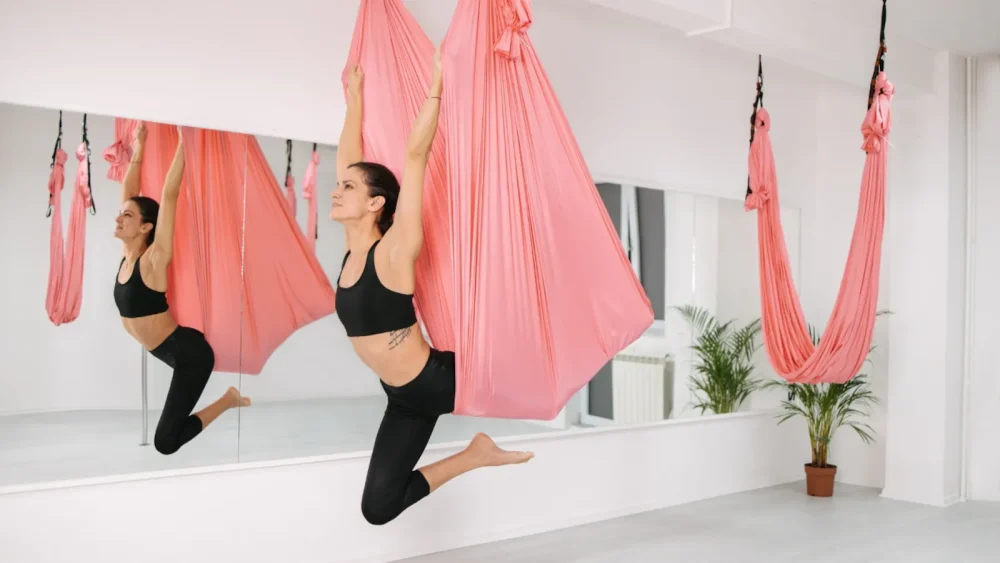
Aerial yoga uses a suspended fabric hammock to support the body during movements. This support enables people of all flexibility levels to access poses that might otherwise be difficult or painful. The hammock reduces pressure on joints and allows deeper, passive stretches—making it ideal for anyone dealing with stiffness from sedentary lifestyles, aging, or lack of exercise.
Whether you’re a beginner or a returning fitness enthusiast, aerial yoga offers an inviting and gentle gateway into improving mobility and flexibility without straining the body. And with trusted studios like Yoga Edition in Singapore offering beginner-friendly classes, this wellness approach is more accessible than ever.
The Reality of Flexibility in Singapore’s Urban Lifestyle
Many Singaporeans spend long hours at a desk, whether in an office or studying at home. This daily routine contributes to:
- Tight hip flexors from prolonged sitting
- Rounded shoulders and neck tension from screen use
- Weak glutes and hamstrings due to lack of dynamic movement
These habits shorten muscles and fascia over time, limiting range of motion and causing discomfort. Stretching can help, but traditional yoga may feel too intense or intimidating at first. This is where aerial yoga makes a noticeable difference—it supports flexibility training without creating unnecessary strain or pressure on stiff muscles.
Why Aerial Yoga Works for the Inflexible
Here’s why aerial yoga is one of the best practices to increase flexibility in a safe and enjoyable way:
1. Supportive Stretching Without Force
The hammock acts like a prop that supports your body weight. This allows you to:
- Hang gently into stretches with the aid of gravity
- Maintain positions longer without muscular fatigue
- Relax deeply into poses, encouraging muscle release
This type of passive stretching is highly effective for people who are not naturally limber, giving them time and support to ease into flexibility.
2. Reduced Pressure on Joints
For those with tight hips, knees, or a stiff lower back, floor-based stretches can be uncomfortable. Aerial yoga helps by:
- Lifting the body off the ground
- Reducing compression in the spine
- Allowing greater freedom of movement in the joints
This is particularly helpful for older adults or those recovering from past injuries.
3. Enhances Fascial Health
Fascia is the connective tissue that surrounds muscles and organs. It can become tight due to inactivity, dehydration, or stress. Aerial yoga’s flowing movements and sustained holds help to:
- Gently stretch the fascia
- Improve hydration in the tissues
- Restore elasticity and mobility throughout the body
Releasing fascial tension leads to a lighter, more agile sensation that even beginners can feel after just a few sessions.
Aerial Yoga Poses that Improve Flexibility
Here are some popular aerial yoga poses practised in Singapore that specifically target flexibility:
Floating Forward Fold
Hammock supports the hips while the upper body folds downward.
- Stretches hamstrings and calves
- Relieves spinal tension
- Deepens gradually with breath
Supported Hip Opener (Lizard or Pigeon Variation)
Hammock cradles one leg while the other rests on the ground.
- Opens the hip flexors and inner thighs
- Great for those with tight groins or IT bands
- Promotes lower back release
Inverted Straddle
Inverted pose with legs extended wide apart.
- Opens hamstrings, inner thighs, and pelvic region
- Uses gravity to assist with depth
- Improves circulation in the legs
Shoulder Chest Expansion Pose
Arms threaded behind the hammock while the chest lifts.
- Targets shoulder mobility and chest opening
- Perfect for those with desk-job posture
- Encourages upright spine and improved breathing
Each pose is adjustable based on the individual’s ability, and instructors will offer modifications for both beginners and those seeking deeper intensity.
Flexibility Training Through Relaxation, Not Force
One of the most common misconceptions is that flexibility is achieved by pushing through pain or holding extreme stretches. In reality, the opposite is true—muscles need to feel safe to release. Aerial yoga works because:
- The hammock provides security and reduces fear of falling
- Movements are gentle and calming, not aggressive
- Breathing is emphasised to trigger the body’s relaxation response
This approach retrains the body to let go of tension rather than resist it. Over time, this leads to greater range of motion and improved muscle tone without strain.
Benefits Beyond Just Stretching
Improving flexibility through aerial yoga impacts more than just your muscles. Other noticeable benefits include:
- Better posture: Reducing tightness in the hips and shoulders encourages natural spinal alignment.
- Enhanced movement: Daily tasks like bending, reaching, and climbing stairs become easier.
- Reduced injury risk: Flexible muscles are less likely to tear or strain under pressure.
- Improved circulation: Stretching stimulates blood flow to stiff areas, accelerating healing.
It also supports better breathing and energy levels, which contribute to overall vitality—something everyone in Singapore’s fast-moving culture can benefit from.
Who Should Try Aerial Yoga for Flexibility?
This practice is ideal for:
- Complete beginners with no prior yoga experience
- Office workers and desk-bound individuals
- Seniors looking for low-impact mobility work
- Athletes needing recovery and range of motion
- Anyone struggling with tightness or chronic tension
If you’ve ever said “I’m not flexible enough for yoga,” aerial yoga was made for you.
Getting Started: What to Expect
If you’re planning to attend your first aerial yoga class in Singapore, here’s how to prepare:
- Arrive early to get comfortable with the hammock setup
- Wear fitted, full-coverage clothing to avoid fabric burns and feel secure
- Inform your instructor of any injuries or limitations
- Focus on your breath more than how far you can stretch
- Embrace the process—flexibility takes time, not perfection
You’ll likely feel lighter, taller, and more relaxed after your first session. Over time, movements that once felt impossible may become second nature.
Real-Life FAQ: Aerial Yoga for Stiff Bodies
Is aerial yoga suitable for someone who can’t touch their toes?
Absolutely. The hammock will support your body in a way that allows you to work toward deeper stretches at your own pace. Many Singaporeans with stiff hamstrings find relief and progress quickly.
Will I get flexible faster with aerial yoga than regular yoga?
For many people, yes. The support from the hammock reduces strain and encourages muscles to relax, making it easier to stretch consistently without injury.
Can older adults or seniors try aerial yoga safely?
Yes, provided the class is beginner-friendly and guided by a certified instructor. Aerial yoga is gentle on the joints and can actually improve mobility and balance in older adults.
How long before I start noticing improvement in flexibility?
Most people notice a difference after just 3–5 classes. Consistency is key, and over time, your range of motion will increase significantly.
Do I need any special equipment to start?
No, everything is provided at the studio. Just bring water, wear comfortable clothes, and an open mindset.