
Future Fashion Forecasts Exploring Innovation Sustainability and Creative Expression
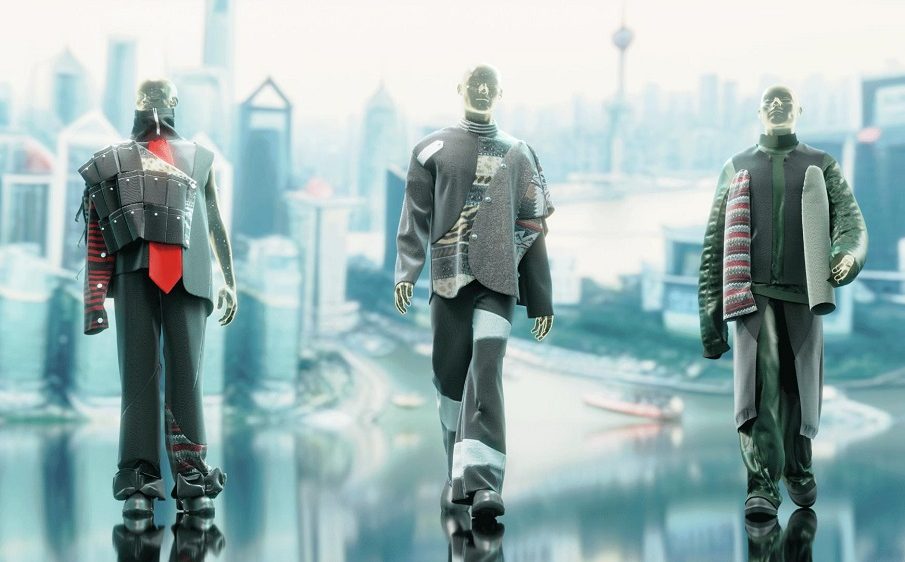
Fashion is entering a transformative era shaped by technology, environmental responsibility, and evolving forms of personal expression. As global consumers become more aware of sustainability issues and digital lifestyles reshape how people interact with clothing, designers and brands are redefining what fashion represents. Future fashion forecasts highlight a shift away from fast consumption toward smarter production, ethical sourcing, and innovative design practices.
Rather than following short term trends alone, the fashion industry is increasingly focused on long term value, adaptability, and creativity. The future of fashion blends science, culture, sustainability, and identity into a dynamic system that reflects both individual needs and global priorities. Understanding these emerging directions helps businesses, designers, and consumers prepare for the next stage of fashion development.
The Role of Innovation in Shaping Future Fashion
Innovation is becoming the driving force behind modern fashion transformation. Designers are experimenting with new materials, digital technologies, and production methods that redefine how clothing is created and experienced.
Important innovation trends include:
Smart textiles
Fabrics embedded with sensors can monitor temperature, movement, or health indicators. These textiles support both performance wear and everyday clothing applications.
3D printing in garment production
Additive manufacturing allows designers to create customized clothing structures with minimal material waste.
Artificial intelligence in design processes
AI tools help predict trends, optimize inventory planning, and generate new pattern concepts based on consumer preferences.
Augmented reality fitting experiences
Virtual fitting technologies reduce return rates by helping customers visualize garments before purchase.
These innovations improve efficiency while expanding creative possibilities across the fashion industry.
Sustainability as a Central Fashion Priority
Environmental awareness continues to reshape how clothing is produced and consumed. Future fashion forecasts strongly emphasize sustainability as a permanent industry priority rather than a temporary trend.
Key sustainability developments include:
- Increased use of biodegradable fabrics
- Expansion of recycled textile production
- Adoption of low water dyeing techniques
- Growth of circular fashion systems
- Reduction of production waste through digital sampling
Circular fashion models encourage brands to design garments that can be repaired, reused, or recycled instead of discarded after short use cycles.
Consumers are also playing an important role by choosing quality over quantity and supporting responsible brands that demonstrate transparency in their supply chains.
Rise of Digital Fashion and Virtual Clothing
Digital environments are influencing how people experience fashion. Virtual clothing is becoming increasingly relevant as online identities gain importance across social platforms and immersive digital spaces.
Digital fashion allows users to:
- Customize avatars with personalized outfits
- Participate in virtual fashion events
- Purchase digital only garments
- Experiment with styles without physical production impact
Because digital garments do not require raw materials or transportation resources, they contribute to sustainability goals while expanding opportunities for artistic experimentation.
Designers now treat virtual platforms as creative laboratories where new ideas can be tested before physical production begins.
Personalization and Consumer Driven Design
Future fashion forecasts suggest that personalization will become a defining feature of the clothing industry. Consumers increasingly expect garments that reflect their individual identities rather than standardized styles.
Technologies supporting personalization include:
Body scanning tools
These tools enable accurate garment sizing tailored to individual measurements.
Data informed style recommendations
Retail platforms analyze customer preferences to suggest suitable clothing options.
On demand manufacturing systems
Brands produce garments only after purchase orders are confirmed, reducing excess inventory.
Personalized fashion strengthens customer satisfaction and reduces waste caused by unsold merchandise.
Ethical Production and Transparent Supply Chains
Ethical sourcing practices are becoming essential for fashion brands seeking long term credibility. Consumers are increasingly interested in how garments are made and who produces them.
Future fashion forecasts highlight the importance of:
- Fair labor conditions
- Responsible material sourcing
- Transparent manufacturing processes
- Carbon footprint reporting
- Supplier accountability monitoring
Digital tracking systems now allow companies to monitor supply chain stages more effectively. Transparency builds trust and strengthens brand reputation in competitive markets.
As ethical awareness grows, responsible production will become a minimum expectation rather than a marketing advantage.
Influence of Cultural Diversity on Creative Expression
Fashion has always reflected cultural identity, but future forecasts suggest an even stronger emphasis on inclusive representation and cross cultural inspiration.
Designers increasingly draw influence from:
- Indigenous textile traditions
- Regional craftsmanship techniques
- Multilingual identity expression
- Global street style communities
- Migration influenced aesthetics
Respectful collaboration with artisans and cultural communities supports authenticity while preserving traditional skills that might otherwise disappear.
Creative diversity enriches fashion storytelling and expands the industry’s visual language.
Integration of Technology Into Everyday Wear
Technology is no longer limited to performance sportswear. It is gradually entering everyday clothing design.
Examples of wearable innovation include:
Temperature adaptive fabrics
These materials respond to environmental changes to improve comfort.
Health monitoring clothing
Garments can track posture, heart rate, or physical activity levels.
Energy generating textiles
Some experimental fabrics capture movement energy to power small electronic devices.
These developments demonstrate how clothing can become both functional and expressive.
Future fashion will likely combine comfort, performance, and digital connectivity within a single garment structure.
Growth of Gender Inclusive Fashion Design
Traditional clothing categories based on gender are gradually becoming less rigid. Future fashion forecasts indicate continued expansion of gender inclusive design approaches.
Characteristics of gender inclusive fashion include:
- Flexible garment silhouettes
- Neutral color palettes
- Adjustable sizing systems
- Versatile styling options
Designers increasingly focus on comfort, identity expression, and adaptability rather than fixed gender expectations.
This shift reflects broader social changes that encourage individuality and acceptance.
Role of Artificial Intelligence in Trend Forecasting
Artificial intelligence is transforming how fashion companies predict consumer behavior and market shifts. Instead of relying only on seasonal observation cycles, brands now analyze large datasets to identify emerging preferences earlier.
AI supported forecasting helps organizations:
- Identify rising style movements
- Monitor regional demand variations
- Improve inventory planning accuracy
- Reduce overproduction risks
- Respond quickly to market changes
As predictive technologies improve, fashion planning cycles will become more efficient and responsive.
Evolution of Retail Experiences in Future Fashion
Retail environments are adapting to digital expectations and hybrid shopping behaviors. Physical stores are becoming experience focused spaces rather than simple transaction points.
Future retail developments include:
- Interactive smart mirrors
- Virtual styling assistance
- Personalized in store recommendations
- Seamless online and offline integration
- Sustainable packaging systems
Retail innovation improves customer engagement while supporting responsible consumption patterns.
Importance of Education and Skill Development in Future Fashion
Fashion education is evolving to prepare designers for a technology integrated and sustainability focused industry.
Future training priorities include:
- Digital pattern making techniques
- Sustainable material research skills
- Ethical sourcing awareness
- Data driven design strategies
- Cross disciplinary collaboration abilities
Educational institutions increasingly combine creative practice with scientific knowledge to support industry readiness.
Designers who understand both technology and sustainability will shape the next generation of fashion innovation.
Future Outlook for Creative Expression in Fashion
Creative expression will remain central to fashion evolution. However, the meaning of creativity is expanding beyond aesthetics to include responsibility, adaptability, and functionality.
Future fashion creativity will likely emphasize:
- Interactive garment experiences
- Cultural storytelling through textiles
- Hybrid digital physical fashion collections
- Environmentally responsive design strategies
- Collaborative global design networks
As innovation continues to reshape possibilities, fashion will become a platform for both personal identity and social progress.
Frequently Asked Questions
1. How will climate change influence future fashion trends
Climate change is encouraging designers to prioritize resource efficient materials, climate adaptive garments, and production methods that reduce environmental impact.
2. What role do startups play in shaping future fashion innovation
Startups often introduce experimental materials, digital platforms, and alternative production models that accelerate change across the industry.
3. Will traditional craftsmanship remain relevant in future fashion
Traditional craftsmanship will continue to play an important role because it supports cultural heritage preservation and offers unique design value.
4. How are consumers influencing the direction of future fashion
Consumers increasingly demand transparency, personalization, and sustainability, which encourages brands to adjust production strategies accordingly.
5. What impact will global collaboration have on fashion creativity
Global collaboration allows designers to exchange ideas across cultures, resulting in more diverse and innovative design approaches.
6. Can future fashion reduce textile waste significantly
Yes. Advances in recycling technologies, circular production models, and on demand manufacturing systems are expected to reduce textile waste substantially.
7. How might virtual environments change fashion careers in the future
Virtual environments are creating new roles in digital garment design, virtual styling, and immersive fashion presentation platforms.