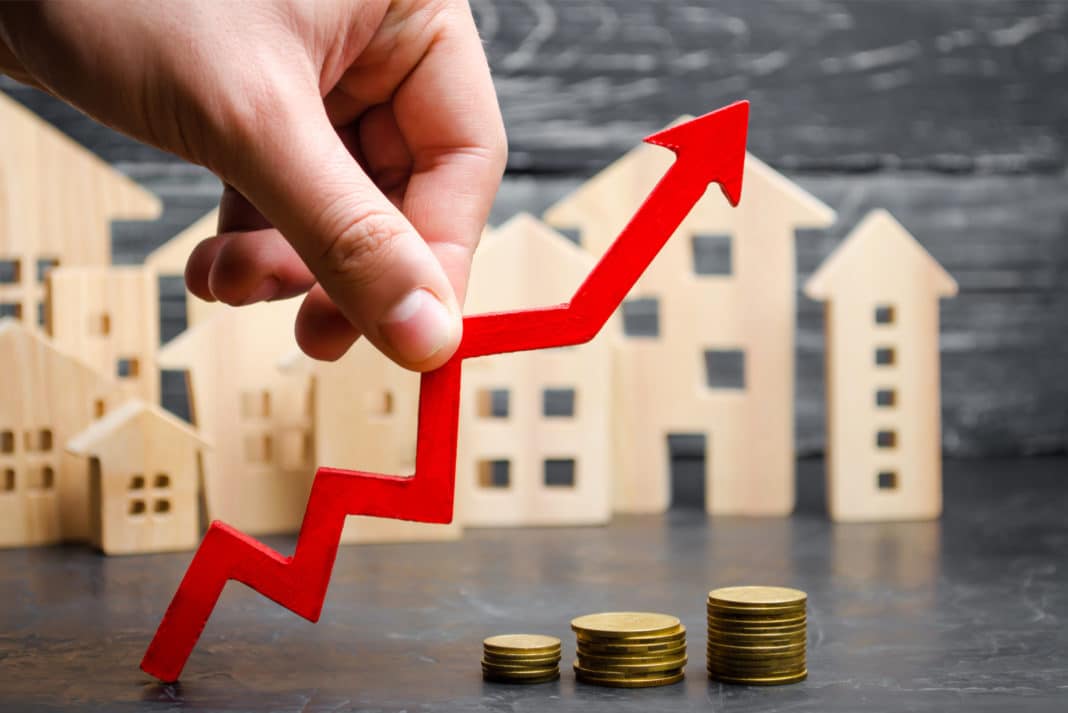
How Real Estate Builds Long Term Wealth

Real estate has long been recognized as one of the most reliable paths to building long term wealth. Unlike many short term investment strategies that depend heavily on market timing, property ownership allows individuals to grow assets gradually through appreciation, rental income, tax advantages, and financial leverage. Over time, these factors combine to create stable financial growth and increased security.
Many investors choose real estate not only for its potential returns but also for its tangible nature. Property provides both functional use and investment value, making it a practical and strategic addition to a diversified financial plan. Whether through residential homes, rental units, or commercial properties, real estate supports steady wealth accumulation across generations.
Understanding how property ownership contributes to financial growth helps investors make informed decisions and develop sustainable strategies for long term success.
Why Real Estate Is Considered a Strong Wealth Building Asset
Real estate differs from many other investments because it offers multiple income and growth opportunities simultaneously. Investors benefit not only from property value increases but also from rental earnings and equity growth over time.
Key characteristics that support long term wealth creation include:
- Physical ownership of a valuable asset
- Opportunity for passive rental income
- Protection against inflation
- Ability to use financing leverage
- Long term appreciation potential
These combined advantages make real estate one of the most dependable investment categories available.
Unlike highly volatile assets, property values tend to grow steadily over longer timeframes, supporting consistent financial planning strategies.
Property Appreciation Increases Asset Value Over Time
One of the primary ways real estate builds wealth is through appreciation. Property values often increase as neighborhoods develop, infrastructure improves, and demand grows.
Factors that influence appreciation include:
Location development
Access to transportation, schools, and employment centers strengthens property value.
Population growth
Growing communities increase housing demand.
Economic expansion
Stronger job markets attract residents and investors.
Infrastructure improvements
Road networks, healthcare facilities, and retail centers increase desirability.
As property values rise, homeowners build equity that strengthens their financial position without requiring additional effort.
Long term appreciation plays a major role in creating generational wealth through property ownership.
Rental Income Provides Consistent Cash Flow
Rental properties create a steady income stream that supports financial independence over time. Unlike investments that rely only on future price increases, rental real estate generates ongoing earnings.
Rental income benefits include:
- Monthly cash flow support
- Mortgage payment assistance
- Reinvestment opportunities
- Retirement income potential
- Financial stability during economic changes
When managed carefully, rental properties produce predictable income that strengthens long term financial planning.
Even modest rental earnings can grow significantly over time as property values increase and mortgages are gradually paid off.
Mortgage Leverage Accelerates Wealth Growth
One of the most powerful advantages of real estate investing is leverage. Investors can purchase property using borrowed funds while benefiting from full ownership appreciation.
Leverage allows investors to:
- Control higher value assets with smaller upfront capital
- Increase investment returns over time
- Expand property portfolios gradually
- Build equity through tenant supported mortgage payments
For example, rental income often contributes toward mortgage repayment, allowing investors to accumulate ownership without relying entirely on personal income.
This strategy makes real estate accessible even to individuals starting with limited savings.
Equity Growth Strengthens Financial Security
Equity represents the difference between a property’s market value and the remaining mortgage balance. As property value increases and loan balances decrease, equity grows steadily.
Equity growth supports wealth building through:
Increased borrowing power
Homeowners can use equity for additional investments.
Financial safety reserves
Equity serves as a backup asset during emergencies.
Opportunity for portfolio expansion
Investors can reinvest equity into additional properties.
Over time, equity accumulation becomes one of the most important contributors to long term financial stability.
Strong equity positions also improve access to better financing opportunities.
Real Estate Protects Against Inflation
Inflation reduces the purchasing power of money over time. However, real estate often performs well during inflationary periods because property values and rental rates typically increase alongside rising costs.
Inflation protection benefits include:
- Rising rental income potential
- Increasing property value trends
- Stable asset performance compared with cash holdings
- Long term purchasing power preservation
Because housing remains a basic necessity, demand continues even during economic shifts, helping maintain property investment stability.
This makes real estate an effective hedge against inflation related financial risk.
Tax Advantages Support Long Term Investment Growth
Real estate ownership often includes tax benefits that improve overall investment returns. While specific advantages depend on local regulations, property investors commonly benefit from deductions and incentives.
Typical tax advantages include:
- Mortgage interest deductions
- Property tax deductions
- Depreciation allowances
- Maintenance expense deductions
- Capital gains planning opportunities
These benefits help investors retain more income and improve long term profitability.
Tax efficiency is one reason real estate remains attractive for both individual investors and institutional portfolios.
Diversification Strengthens Financial Stability
Diversification reduces risk by spreading investments across multiple asset types. Real estate adds stability to investment portfolios that might otherwise depend heavily on stocks or other market sensitive assets.
Benefits of diversification through real estate include:
- Reduced exposure to market volatility
- Multiple income sources
- Balanced asset allocation
- Increased portfolio resilience
Because property values often respond differently than financial markets, real estate helps create a more stable investment structure.
Balanced portfolios support long term wealth preservation during uncertain economic conditions.
Real Estate Supports Generational Wealth Transfer
Property ownership provides opportunities to pass financial assets from one generation to the next. Unlike many short term investments, real estate can remain valuable across decades.
Generational benefits include:
Inheritance value
Properties can support family financial security over time.
Rental income continuity
Future generations benefit from existing income streams.
Asset stability
Real estate maintains long term utility and demand.
Portfolio expansion opportunities
Inherited assets create investment foundations for future growth.
Families often use real estate to build lasting financial legacies that extend beyond individual ownership periods.
Strategic Property Improvements Increase Investment Value
Property upgrades often increase both market value and rental income potential. Strategic improvements strengthen investment performance while improving tenant satisfaction.
Common value increasing upgrades include:
- Kitchen modernization
- Energy efficient installations
- Bathroom improvements
- Landscaping enhancements
- Interior layout optimization
Well planned improvements increase competitiveness within the housing market and strengthen long term appreciation potential.
Careful renovation planning helps maximize return on investment without unnecessary spending.
Location Selection Plays a Critical Role in Wealth Building
Choosing the right property location significantly influences investment success. High demand areas typically offer stronger appreciation and rental performance.
Important location considerations include:
- Access to transportation networks
- Employment opportunities nearby
- Quality education systems
- Healthcare availability
- Community infrastructure development
Properties located in growing regions often outperform those in declining areas.
Location remains one of the most reliable indicators of long term investment success.
Long Term Ownership Encourages Financial Discipline
Real estate ownership promotes structured financial habits that support long term stability. Mortgage payments, maintenance planning, and investment management encourage consistent financial responsibility.
Benefits of structured ownership include:
- Regular savings through equity accumulation
- Long term planning discipline
- Predictable housing costs over time
- Increased financial awareness
These habits contribute to stronger financial decision making throughout an investor’s lifetime.
Over time, disciplined ownership supports steady wealth accumulation.
Real Estate as a Retirement Planning Strategy
Many investors use property ownership as part of their retirement planning approach. Rental income and mortgage free properties provide reliable support during later life stages.
Retirement benefits include:
- Stable monthly rental income
- Reduced housing expenses after mortgage completion
- Asset backed financial flexibility
- Opportunity to downsize and reinvest equity
Real estate provides both income and security, making it a valuable component of retirement planning strategies.
Long term property ownership often reduces dependence on external income sources after retirement.
Frequently Asked Questions
1. Is real estate a safe investment for beginners
Real estate can be suitable for beginners who conduct careful research, choose stable locations, and plan financing responsibly before purchasing property.
2. How long does it usually take to build wealth through real estate
Wealth building through property typically occurs over several years or decades as appreciation, rental income, and equity growth accumulate gradually.
3. Can real estate investments generate passive income immediately
Some rental properties generate income shortly after purchase, but profitability depends on financing structure, location demand, and operating costs.
4. What types of properties are best for long term wealth building
Residential rental homes, multi unit properties, and properties located in growing communities often provide strong long term investment potential.
5. Does owning multiple properties increase financial risk
Owning multiple properties can increase both opportunity and responsibility. Careful financial planning helps manage risk effectively.
6. How important is property management in maintaining investment value
Effective property management helps maintain tenant satisfaction, reduce maintenance costs, and protect long term property performance.
7. Can real estate still build wealth during economic downturns
Yes. Long term ownership strategies often allow investors to benefit from recovery cycles and continued housing demand even during challenging economic periods.