
Impact of Connected Vehicles on Road Safety
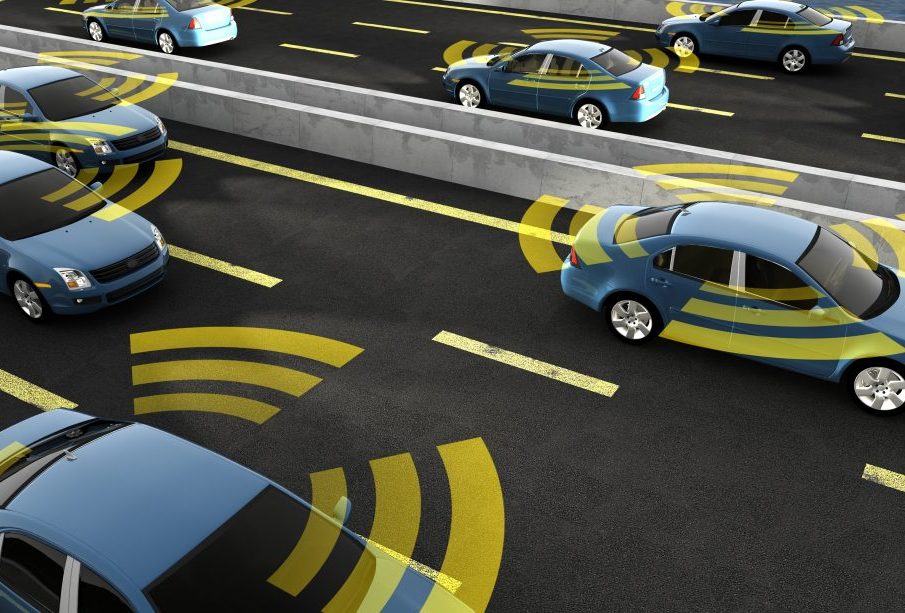
Connected vehicles are transforming how transportation systems operate by enabling real-time communication between vehicles, infrastructure, and digital networks. Unlike traditional vehicles that operate independently, connected vehicles exchange safety-critical information that helps drivers make better decisions and avoid hazards before they become dangerous.
As road traffic continues to increase globally, safety challenges such as collisions, congestion, and delayed emergency response remain major concerns. Connected vehicle technology directly addresses these issues by improving awareness, reducing human error, and supporting smarter traffic environments. The result is a transportation ecosystem where vehicles cooperate instead of acting alone.
This article explores how connected vehicles improve road safety, the technologies behind them, their real-world applications, and the challenges that still need attention.
Understanding Connected Vehicle Technology
Connected vehicles rely on communication technologies that allow them to exchange information with surrounding elements in the transportation environment. This connectivity helps detect risks early and coordinate responses efficiently.
Key communication types include:
Vehicle-to-Vehicle communication
Vehicles share speed, direction, braking status, and position data with nearby vehicles. This helps drivers anticipate sudden stops or dangerous maneuvers ahead.
Vehicle-to-Infrastructure communication
Cars interact with traffic lights, road sensors, construction zones, and highway systems to receive updates about road conditions and traffic flow.
Vehicle-to-Pedestrian communication
Connected systems detect pedestrians and cyclists carrying compatible devices, reducing the likelihood of collisions in busy urban areas.
Vehicle-to-Network communication
Vehicles access cloud services to receive navigation updates, weather alerts, and emergency notifications.
Together, these communication channels create a cooperative safety network that supports drivers continuously.
How Connected Vehicles Reduce Accidents
One of the most significant safety advantages of connected vehicles is their ability to prevent crashes before they happen. Traditional vehicles rely heavily on driver awareness, while connected vehicles extend awareness beyond what drivers can physically see.
Important accident prevention features include:
Forward collision warnings
Vehicles detect sudden braking ahead and alert drivers instantly.
Blind spot monitoring enhancements
Connected systems identify vehicles approaching from unseen angles and provide timely alerts.
Intersection movement assistance
Cars communicate with traffic signals and other vehicles to prevent side-impact collisions at intersections.
Lane change warnings
Drivers receive alerts when another vehicle occupies a nearby lane.
Emergency vehicle notifications
Drivers are warned when ambulances or fire trucks are approaching, improving response time and safety.
These proactive alerts significantly reduce reaction time and improve driving decisions.
Real-Time Hazard Detection and Response
Connected vehicles provide immediate warnings about environmental and road hazards that drivers might otherwise miss.
Examples include:
- Slippery roads caused by rain or ice
- Sudden traffic congestion ahead
- Construction zones and lane closures
- Fallen debris or obstacles
- Reduced visibility conditions
When one vehicle detects a hazard, the information is shared with nearby vehicles automatically. This early warning system helps drivers adjust speed and direction before reaching danger zones.
Such predictive awareness dramatically improves overall traffic safety.
Improving Emergency Response Efficiency
Connected vehicles help emergency services respond faster and more effectively during accidents.
When collisions occur, vehicles can automatically transmit location data and crash severity information to emergency responders. This reduces the time required to dispatch assistance and improves survival outcomes.
Connected systems also support:
- Automatic crash notification alerts
- Accurate accident location sharing
- Faster ambulance routing
- Improved coordination between emergency teams
In many situations, seconds make the difference between life and death. Connected vehicle communication helps save those critical seconds.
Enhancing Driver Awareness and Decision Making
Human error contributes to most road accidents worldwide. Connected vehicle technology reduces reliance on driver judgment alone by supplying additional information that supports safer decisions.
Drivers benefit from:
Situational awareness improvements
Vehicles provide updates about surrounding traffic conditions beyond visual range.
Speed optimization alerts
Drivers receive recommendations based on traffic signals and congestion levels.
Weather-related warnings
Vehicles warn about fog, storms, or hazardous driving conditions.
Navigation-based safety alerts
Drivers are guided away from risky routes when safer alternatives exist.
These features create a safer driving environment by supplementing human perception with intelligent support systems.
Supporting Safer Urban Transportation Systems
Connected vehicles play a major role in improving safety in densely populated urban areas where traffic complexity increases risk.
Smart city integration allows vehicles to interact with traffic management systems that coordinate vehicle flow and reduce congestion-related accidents.
Urban safety improvements include:
- Adaptive traffic signal timing
- Pedestrian crossing alerts
- Bicycle detection systems
- Smart parking guidance
- Reduced intersection conflicts
These improvements create smoother and safer movement throughout city environments.
Benefits for Vulnerable Road Users
Pedestrians, cyclists, and motorcyclists face higher injury risks during road accidents. Connected vehicle systems help protect these groups through enhanced detection capabilities.
Safety improvements include:
Pedestrian detection alerts
Vehicles warn drivers when pedestrians enter roadways unexpectedly.
Cyclist proximity monitoring
Drivers receive alerts when bicycles approach from nearby lanes.
School zone awareness notifications
Drivers are warned when entering areas with high child pedestrian activity.
Protecting vulnerable road users is one of the most valuable contributions connected vehicle technology offers to modern transportation systems.
Role of Connected Vehicles in Preventing Chain-Reaction Collisions
Multi-vehicle crashes often occur because drivers cannot react quickly enough to unexpected events ahead. Connected vehicles prevent these chain-reaction collisions by sharing real-time braking information across traffic streams.
When one vehicle brakes suddenly, nearby vehicles receive immediate alerts and adjust speed accordingly. This synchronized reaction significantly lowers crash risk during heavy traffic conditions.
Such coordination improves highway safety especially during peak travel hours.
Integration with Advanced Driver Assistance Systems
Connected vehicles often work alongside driver assistance technologies that further enhance road safety.
Examples include:
- Adaptive cruise control
- Automatic emergency braking
- Lane keeping assistance
- Traffic sign recognition
- Driver fatigue monitoring systems
Together, these systems create layered safety protection that supports drivers continuously during travel.
Challenges Affecting Connected Vehicle Safety Implementation
Despite their safety advantages, connected vehicles face several challenges that must be addressed before widespread adoption becomes universal.
Key concerns include:
Cybersecurity risks
Vehicle communication networks must remain protected from unauthorized access.
Infrastructure compatibility
Many regions still lack smart infrastructure required for full connectivity support.
Technology standardization issues
Different manufacturers use varying communication platforms that may limit interoperability.
Privacy concerns
Drivers must trust that their location and driving data remain secure.
Addressing these challenges will help accelerate adoption and strengthen the effectiveness of connected vehicle safety systems.
Future Outlook for Connected Vehicle Road Safety
Connected vehicle technology continues to evolve rapidly and will play an increasingly important role in transportation safety.
Future developments may include:
- Fully cooperative traffic ecosystems
- Seamless communication between autonomous and connected vehicles
- Predictive crash prevention systems powered by artificial intelligence
- Nationwide smart infrastructure integration
- Real-time traffic optimization networks
As these innovations mature, road safety improvements are expected to become even more significant.
Frequently Asked Questions
1. How are connected vehicles different from autonomous vehicles
Connected vehicles communicate with external systems and nearby vehicles, while autonomous vehicles focus primarily on self-driving capabilities. A vehicle can be connected without being fully autonomous.
2. Do connected vehicles work without internet access
Many connected vehicle safety features rely on short-range communication technologies rather than traditional internet connectivity, allowing them to function even without mobile network coverage.
3. Can connected vehicle systems reduce traffic congestion
Yes. By sharing real-time traffic information and coordinating vehicle movement, connected vehicles help improve traffic flow and reduce bottlenecks.
4. Are connected vehicles already available on the market
Many modern vehicles already include partial connected features such as collision alerts, smart navigation updates, and infrastructure communication support.
5. How do connected vehicles improve highway safety
They provide early warnings about sudden braking, accidents ahead, weather hazards, and lane closures, helping drivers respond more quickly and safely.
6. Will connected vehicles replace traditional safety features
Connected vehicle systems enhance traditional safety features rather than replacing them. They add an extra layer of protection through communication-based awareness.
7. Are connected vehicles safe from cyber threats
Manufacturers continue to improve encryption and network protection systems, but cybersecurity remains an important area of ongoing development.