Apple Trees for Sale Insights From a British Fruit Tree Specialist
The UK climate varies from the mild south-west to the cooler north and exposed coastal areas, and not every plum performs equally well in each region. Some plum trees varieties produce heavy crops but require warm summers to develop flavour, while others thrive in cooler districts but offer a shorter harvesting window.
An apple trees specialist working with British growers often stresses that variety selection is the single most important decision when planting plums at home. According to the fruit trees specialists at ChrisBowers, gardeners searching for plum trees for sale should focus first on varieties known to perform reliably in British conditions rather than simply choosing by fruit colour or size. They advise that dependable cropping, disease resistance, and compatibility with smaller garden spaces are the qualities that make a plum variety genuinely worthwhile for home orchards.
With those practical considerations in mind, several plum varieties stand out as particularly suited to British gardens. Some are traditional cultivars that have proven themselves over generations, while others are newer selections offering improved productivity or flavour. The following six varieties represent a balanced group of dependable, rewarding plum trees that can fit comfortably into a home orchard or garden setting.
Choosing Plums for British Conditions
Successful plum growing in Britain begins with an understanding of the local environment. Although plums are hardy trees, they flower early in the spring, which means they can be vulnerable to late frosts. This is especially relevant in inland valleys or northern regions where cold snaps can occur well into April.
Gardeners therefore benefit from choosing varieties known for reliable fruit set under typical British spring conditions. Self-fertile varieties are particularly useful in smaller gardens because they do not require a second pollinating tree nearby. Many modern cultivars have been selected with this trait in mind, making them more convenient for home growers.
Another factor is tree size. Traditional orchards once relied on large, vigorous plum trees that required considerable space. Modern rootstocks and pruning techniques now allow plums to be grown in more compact forms. Bush trees, dwarfing rootstocks, and trained shapes such as fans or cordons make it possible to grow productive plum trees in relatively limited spaces.
Disease resistance also plays a role in variety choice. British weather can encourage fungal diseases, particularly during wet summers. Selecting robust varieties reduces the need for intervention and increases the chances of consistent crops.
When browsing catalogues or nurseries offering plum trees for sale, gardeners often encounter dozens of options. Yet in practice, only a handful of varieties consistently deliver dependable results in UK gardens. The six plums discussed in this article represent varieties that combine flavour, reliability, and adaptability to British conditions.
They are not the only worthwhile plums available, but they illustrate the range of characteristics that gardeners should look for when selecting trees. Some excel as dessert fruits, others are prized for cooking, and a few serve both purposes equally well.
Victoria: The Classic British Garden Plum
No discussion of British plums can begin without Victoria. Introduced in the nineteenth century, this variety has become synonymous with home-grown plums in the UK. Its popularity is easy to understand. Victoria is productive, self-fertile, and adaptable to many soil types.
The fruit itself is medium to large, with an attractive reddish-purple skin that develops a golden hue underneath when fully ripe. The flesh is yellow, juicy, and pleasantly sweet, making it suitable both for fresh eating and for cooking. Many gardeners appreciate the versatility of Victoria because it performs equally well in jams, pies, and traditional puddings.
Victoria trees also have a reputation for reliability. They tend to crop heavily once established, often producing more fruit than a small household can easily use. While this abundance is welcome, it sometimes requires thinning to prevent branches from becoming overloaded.
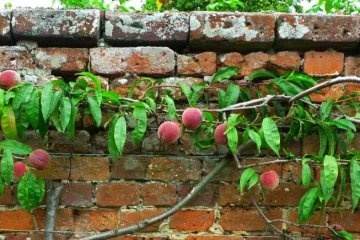
Another advantage of Victoria is its compatibility with different training methods. It can be grown as a standard bush tree, but it also responds well to fan training against a sunny wall. This makes it particularly useful for smaller gardens where space is limited.
One aspect gardeners should be aware of is that Victoria can be susceptible to disease if poorly managed. Proper pruning and good air circulation help reduce these risks. Despite this minor drawback, it remains one of the most dependable plum trees for British gardeners.
For anyone starting a home orchard, Victoria often serves as the benchmark against which other plum varieties are compared.
Marjorie’s Seedling: A Reliable Late-Season Cropper
While Victoria dominates the mid-season harvest, Marjorie’s Seedling extends the plum season into early autumn. Developed in the early twentieth century, this variety is valued for its heavy cropping and robust nature.
The fruit of Marjorie’s Seedling is large and oval with dark purple skin and firm yellow flesh. Its flavour is rich and slightly tart when first picked but sweetens as it ripens fully. This makes it particularly suitable for cooking, although many gardeners also enjoy it fresh once properly matured.
One of the greatest advantages of Marjorie’s Seedling is its reliability. The tree produces abundant crops even in cooler summers, which is not always the case with late-ripening varieties. This characteristic has helped maintain its popularity across much of the UK.
Another benefit is the fruit’s keeping quality. Unlike some plums that must be eaten immediately after picking, Marjorie’s Seedling can be stored for a short period without losing flavour. This allows gardeners to extend their enjoyment of home-grown fruit beyond the peak harvest.
The tree itself is vigorous and hardy, making it well suited to traditional orchard conditions. It can grow fairly large if left unpruned, so regular maintenance helps keep it manageable in smaller gardens.
For gardeners seeking a dependable late-season plum, Marjorie’s Seedling is often considered one of the safest choices.
Opal and Cambridge Gage: Early Sweetness and Rich Flavour
Early-season plums provide one of the first fresh fruits of the summer, and Opal is among the best in this category. Originating in Scandinavia, Opal has proven particularly well adapted to the British climate.
The fruit is relatively small but intensely flavoured. Its reddish-purple skin surrounds golden flesh that is exceptionally sweet when fully ripe. Because Opal ripens early, it often escapes the worst of late summer pests and diseases.
Opal trees are also compact and manageable, making them suitable for smaller gardens. Their self-fertile nature ensures reliable fruiting even when planted alone.
In contrast, Cambridge Gage represents a different type of plum experience. Although technically a gage rather than a traditional plum, it is often included in plum collections because of its exceptional flavour.
The fruit is greenish-yellow with a delicate sweetness that many gardeners consider superior to ordinary plums. Cambridge Gage is particularly valued for fresh eating, where its rich flavour can be appreciated fully.
Growing gages can be slightly more demanding than growing plums, as they often prefer warmer sites and sheltered conditions. However, when planted in a sunny position with good soil, Cambridge Gage can reward the gardener with some of the finest dessert fruit available.
Together, Opal and Cambridge Gage demonstrate how early-season varieties can bring diversity and flavour to a home orchard.
Czar: The Dependable Culinary Plum
Czar is one of the most practical plum varieties for British gardens, particularly for those who enjoy cooking with their harvest. Introduced in the nineteenth century, it has become a favourite among gardeners who value reliability and versatility.
The fruit is medium-sized with deep purple skin and firm yellow-green flesh. When eaten fresh it has a pleasant tartness, but it truly shines in the kitchen. Czar plums hold their shape well during cooking, making them ideal for pies, tarts, and preserves.
One of Czar’s strongest qualities is its ability to crop reliably even in less-than-ideal conditions. The tree is hardy, productive, and generally resistant to many of the problems that affect more delicate varieties.
It is also one of the earliest plums to ripen in the British season, often producing fruit in late July. This early harvest can be especially satisfying for gardeners eager to enjoy fresh fruit after the spring months.
Czar trees tend to grow in a compact, upright form, which helps them fit comfortably into modest garden spaces. With proper pruning, they can be maintained as manageable bush trees or trained against walls.
For gardeners who prioritise practicality and dependable harvests, Czar remains a highly recommended choice.
Jubilee: A Modern Plum with Impressive Crops
Among the newer plum varieties gaining attention in British gardens is Jubilee. Developed in Sweden, this cultivar has proven well suited to northern European climates and therefore adapts well to many parts of the UK.
Jubilee produces large, attractive plums with red skin and golden flesh. The fruit is juicy, sweet, and suitable for both eating fresh and cooking. Many gardeners appreciate the impressive size of the fruit, which often exceeds that of traditional varieties.
Another advantage of Jubilee is its heavy cropping habit. Once established, the tree can produce abundant harvests year after year. Because of this productivity, some thinning may be necessary to ensure the remaining fruit develops fully.
The tree itself is vigorous but manageable, responding well to standard pruning techniques. Its strong growth and reliable fruit set make it particularly appealing for gardeners who want a dependable plum without the unpredictability sometimes associated with older cultivars.
As interest in home fruit growing continues to increase, Jubilee has become a popular addition to gardens where a modern, high-yielding plum is desired.
Planning a Small Plum Orchard at Home
Planting a small plum orchard does not require large areas of land. With thoughtful selection and careful placement, even a modest garden can accommodate several productive trees.
Spacing remains an important consideration. Bush plum trees typically require three to four metres between each planting position, though dwarf rootstocks can reduce this distance. Gardeners with limited space may choose to train trees against fences or walls as fans, which allows multiple varieties to be grown in a relatively compact area.
Combining early, mid-season, and late varieties is a simple way to extend the harvest. An orchard containing Opal, Victoria, and Marjorie’s Seedling, for example, can provide fresh fruit from midsummer well into early autumn.
Soil preparation also contributes significantly to long-term success. Plum trees prefer fertile, well-drained soil with adequate organic matter. Regular mulching helps retain moisture and maintain soil health.
Pruning should be approached carefully, as plums are sensitive to winter pruning. Most maintenance is best carried out during the growing season when the risk of disease is lower.
Ultimately, the appeal of plum trees lies in their combination of productivity and simplicity. With the right varieties and basic care, a small group of trees can supply a household with generous harvests for many years.
For British gardeners looking to expand their fruit-growing ambitions, these six plum varieties provide a strong foundation. Each offers its own strengths, but together they illustrate the remarkable diversity and reliability that plum trees can bring to a home orchard.